Spiritual healing is a profound journey that encompasses the integration of mind, body, and spirit to restore harmony, balance, and well-being. Rooted in ancient wisdom and embraced across cultures, spiritual healing recognizes that the human experience extends beyond the physical realm, encompassing the subtle energies, emotions, and spiritual dimensions that shape our lives. This holistic approach to healing offers a transformative path that goes beyond symptom management to address the deeper roots of suffering.
Understanding Spiritual Healing:
Spiritual healing acknowledges that our well-being is influenced not only by physical factors but also by our mental, emotional, and spiritual states. It’s a holistic approach that seeks to align these aspects of our being, recognizing the interconnectedness of our experiences and the impact of energy and consciousness.

Key Principles of Spiritual Healing:
- Energy and Vibrations: Spiritual healing operates on the belief that everything—including thoughts, emotions, and the physical body—is composed of energy. By working with the body’s energy system, spiritual healers aim to restore balance and vitality.
- Self-Healing: Spiritual healing empowers individuals to tap into their innate capacity for healing. Practitioners facilitate this process by creating a supportive environment and offering techniques that promote self-awareness and self-care.
- Holistic Perspective: Spiritual healing views individuals as whole beings rather than isolated symptoms. It takes into account physical, emotional, mental, and spiritual dimensions, recognizing that imbalances in one aspect can impact the others.
- Transcending Limiting Beliefs: Spiritual healing addresses limiting beliefs and thought patterns that may contribute to illness or suffering. By transforming these beliefs, individuals can experience profound shifts in their health and well-being.
- Connection to Higher Consciousness: Spiritual healing often involves connecting with higher states of consciousness, divine energy, or spiritual guides. This connection can offer guidance, insight, and support on the healing journey.
Forms of Spiritual Healing:
- Energy Healing: Modalities like Reiki, Pranic Healing, and Quantum Touch focus on channeling healing energy to remove blockages, restore balance, and promote well-being.
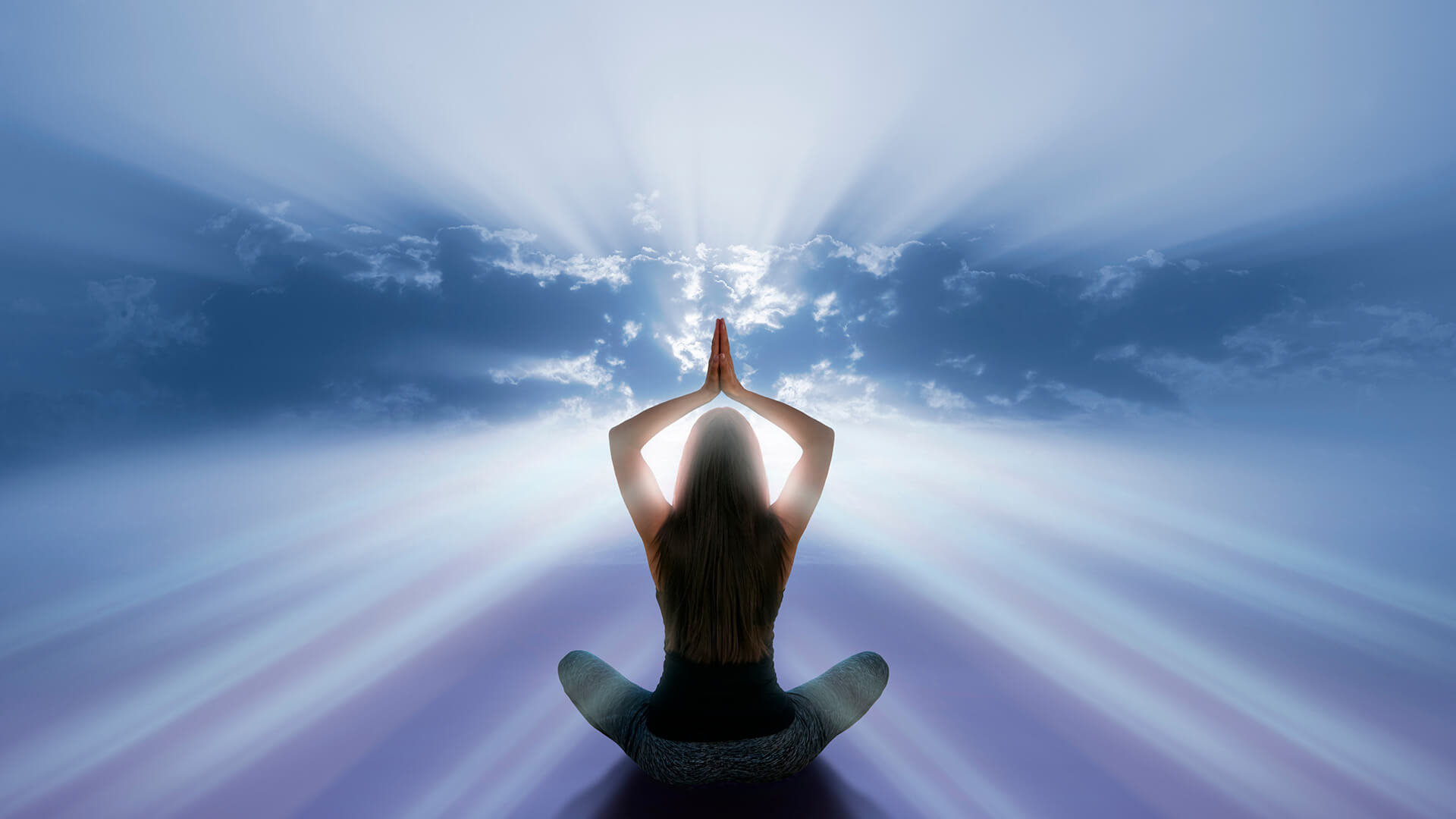
- Mind-Body Practices: Practices like meditation, mindfulness, and yoga promote spiritual healing by aligning mind, body, and spirit, fostering self-awareness and inner peace.
- Sound Healing: Vibrational therapies use sound frequencies to promote healing. Sound healing modalities like singing bowls, gongs, and chanting can harmonize the energy system.
- Shamanic Healing: Rooted in indigenous traditions, shamanic healing involves connecting with the spirit world to retrieve guidance, wisdom, and healing for individuals.
- Guided Visualization: This practice uses visualization techniques to guide individuals through healing journeys, addressing emotional wounds and promoting self-empowerment.
Benefits of Spiritual Healing:
- Physical Well-Being: Spiritual healing can complement conventional medicine, supporting the body’s natural healing mechanisms and promoting relaxation and stress reduction.
- Emotional Healing: Spiritual healing addresses emotional wounds and traumas, fostering emotional resilience and allowing for the release of negative emotions.
- Mind-Body Connection: Spiritual healing recognizes the interconnectedness of mind and body, promoting mental clarity, emotional balance, and physical vitality.
- Self-Awareness: Spiritual healing encourages self-reflection and self-awareness, helping individuals uncover underlying patterns and beliefs that may contribute to their challenges.
- Personal Growth: The journey of spiritual healing fosters personal growth, self-empowerment, and a deeper understanding of oneself and one’s life path.
Conclusion:
Spiritual healing is a journey of self-discovery, transformation, and empowerment. By recognizing the intricate interplay between energy, consciousness, and well-being, individuals can embark on a path that transcends limitations, fosters healing on multiple levels, and nurtures the soul’s innate wholeness. Whether through energy work, mindfulness, or other practices, spiritual healing invites us to embrace the profound connections between our inner worlds and the vast universe that surrounds us.