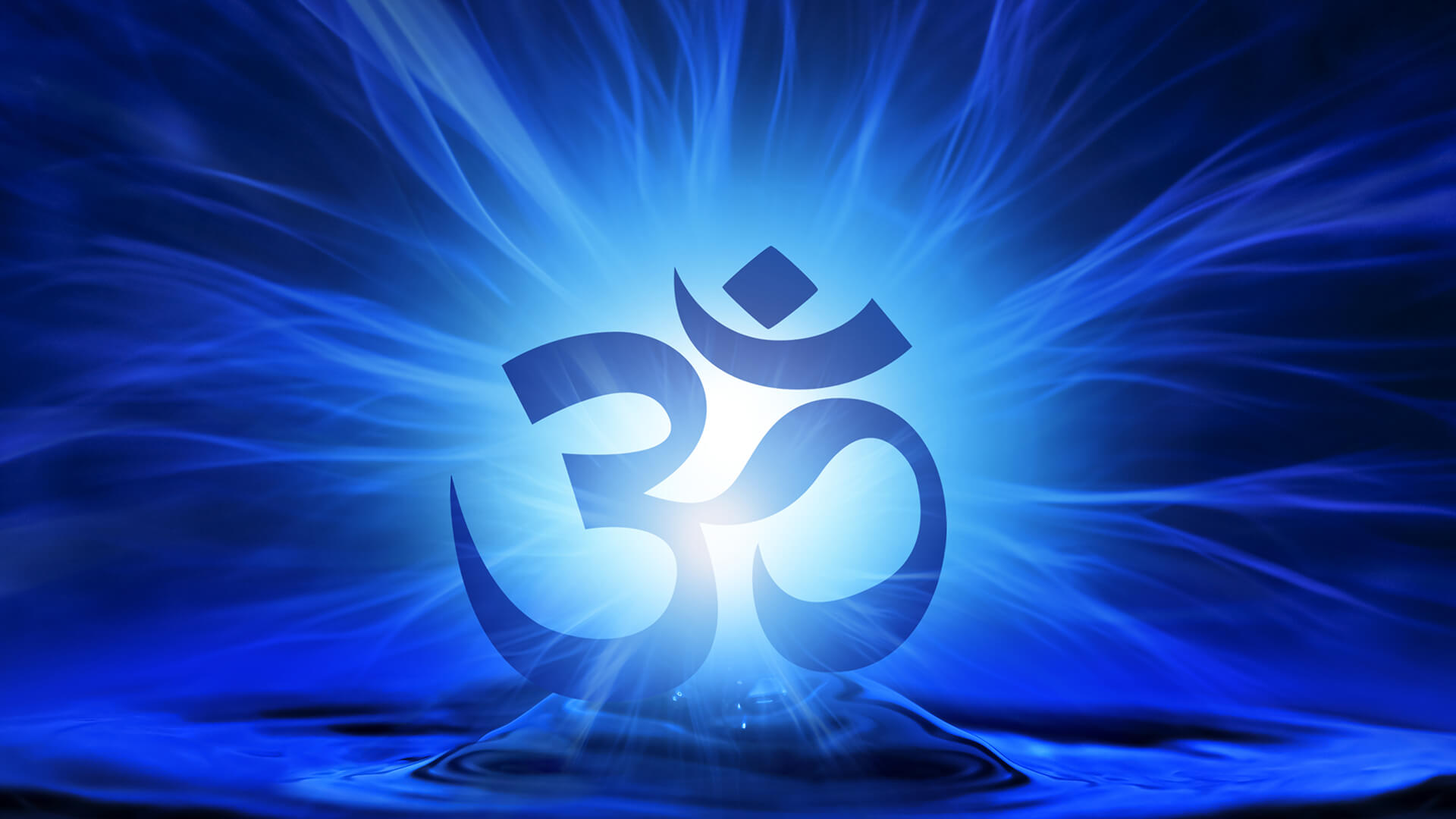
The term “mantra” originates from the Sanskrit words “manas,” meaning mind, and “trayate,” meaning to protect or liberate. Mantras are sacred sound formulas that have been passed down through generations in various spiritual and cultural traditions. These sound vibrations are believed to hold spiritual, transformative, and healing properties.
Sound and Vibration:
The heart of the mantra lies in its sound and vibration. In many traditions, it’s believed that the universe is composed of energy and vibration, and mantras tap into this fundamental reality. Each sound in a mantra is believed to correspond to a specific energy center (chakra) in the body, and chanting or repeating the mantra is thought to harmonize these energies.
Syllables and Meanings:
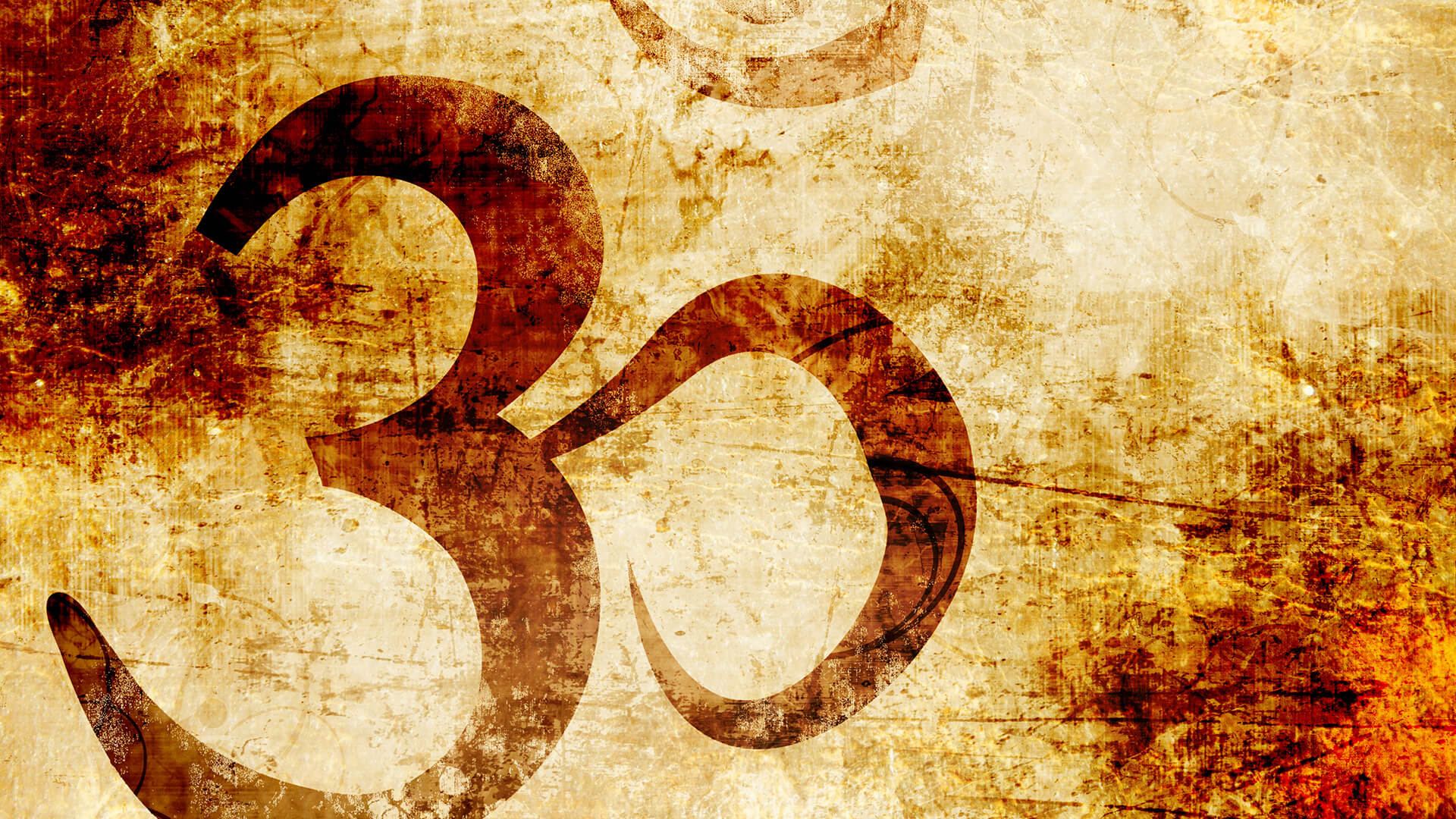
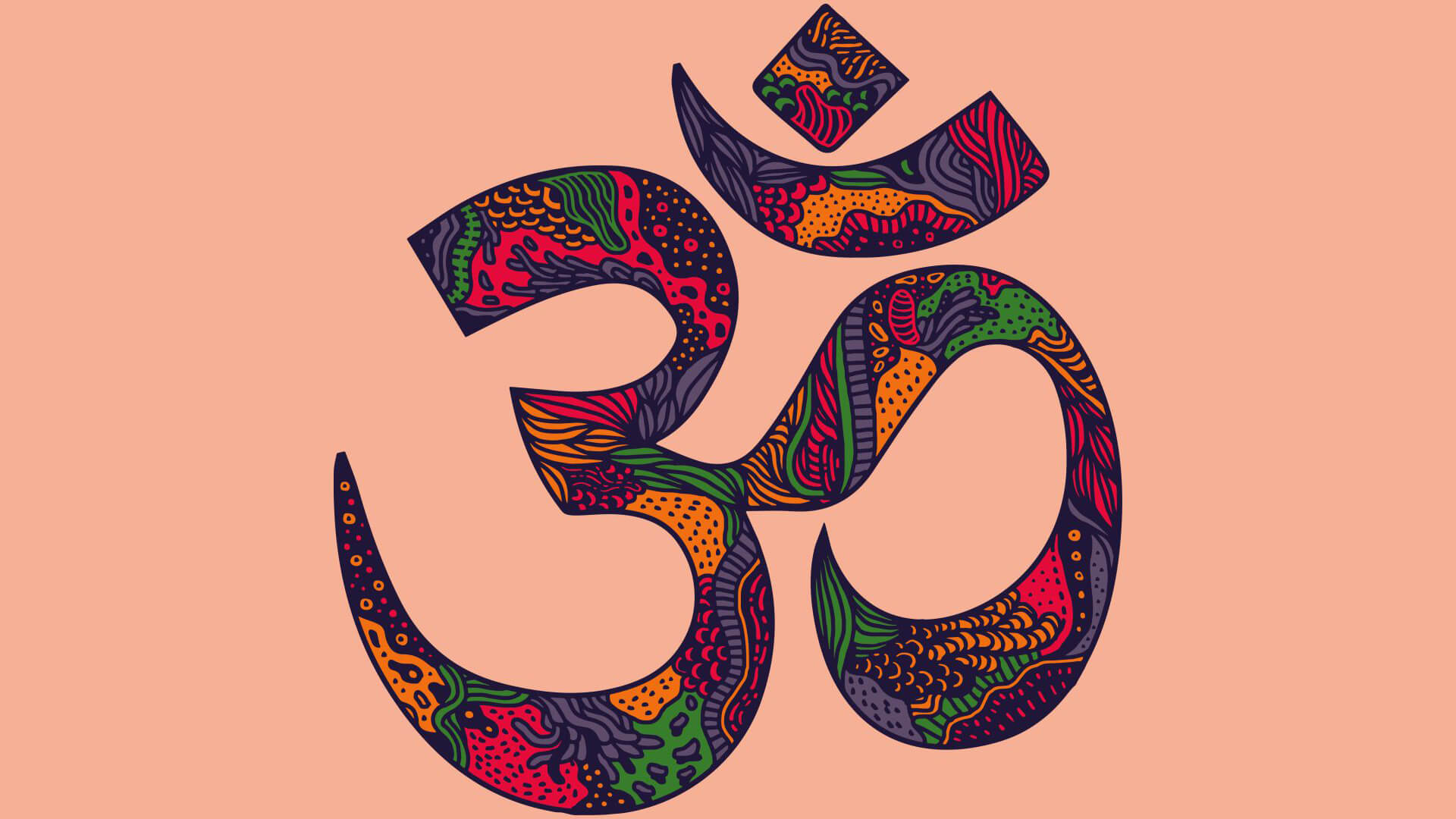
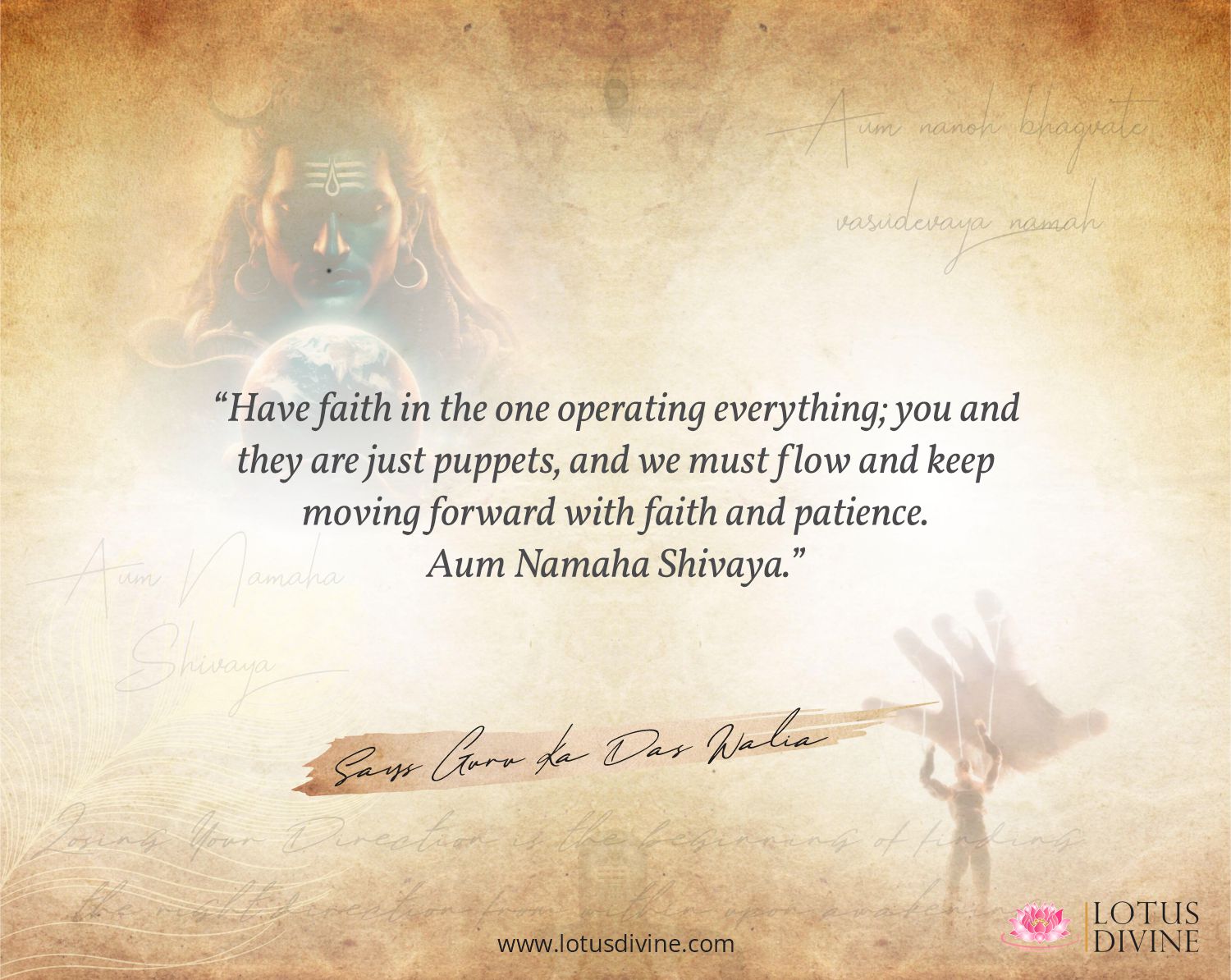
Mantras can be composed of single syllables, words, or phrases, each with its own significance. These syllables are often imbued with deep spiritual meaning and are associated with particular deities, qualities, or cosmic principles. For example, the Hindu mantra “Om” represents the essence of universal consciousness and existence.
Intention and Devotion:
While the repetition of a mantra’s syllables or words is important, the intention behind the repetition is equally crucial. Mantras are not just about the mechanical act of chanting; they are a way to focus the mind and heart on a specific intention or connection with the divine. Devotion, sincerity, and concentration amplify the power of a mantra.
Transformative Power:
Mantras are considered tools for transformation. By continuously repeating a mantra, practitioners can cultivate a state of mindfulness, calm the mind, and deepen their spiritual connection. The repetition is believed to rewire the brain, leading to positive shifts in thoughts, emotions, and behaviors.
Mantras in Meditation:
Mantras are commonly used in meditation practices. Chanting or silently repeating a mantra during meditation helps to quiet the mind and guide it away from distractions. The rhythm and resonance of the mantra create a focal point that anchors the mind in the present moment.
Sanskrit and Sacred Language:
Many mantras are composed in Sanskrit, an ancient and sacred language. Sanskrit is believed to have a unique vibrational quality that enhances the efficacy of mantras. While the literal translation of a mantra’s words may hold meaning, the energetic impact of the sounds is equally important.
Different Traditions, Similar Concepts:
Mantras exist in various spiritual traditions worldwide. Whether it’s the Buddhist “Om Mani Padme Hum,” the Sikh “Waheguru,” or the Islamic “La ilaha illallah,” the core concept of using sound to connect with the divine and achieve transformation is shared across cultures.
Choosing and Working with Mantras:
Selecting a mantra can be a personal and intuitive process. It’s important to resonate with the sound and meaning of the mantra you choose. As you work with a mantra, consider using mala beads to count repetitions and create a dedicated space for mantra practice.
Conclusion:
Incorporating mantras into your spiritual practice can be a powerful way to enhance mindfulness, inner growth, and connection with the divine. Whether you’re seeking healing, spiritual awakening, or a deeper sense of purpose, the transformative energy of mantras can guide you on a profound journey of self-discovery and spiritual evolution.