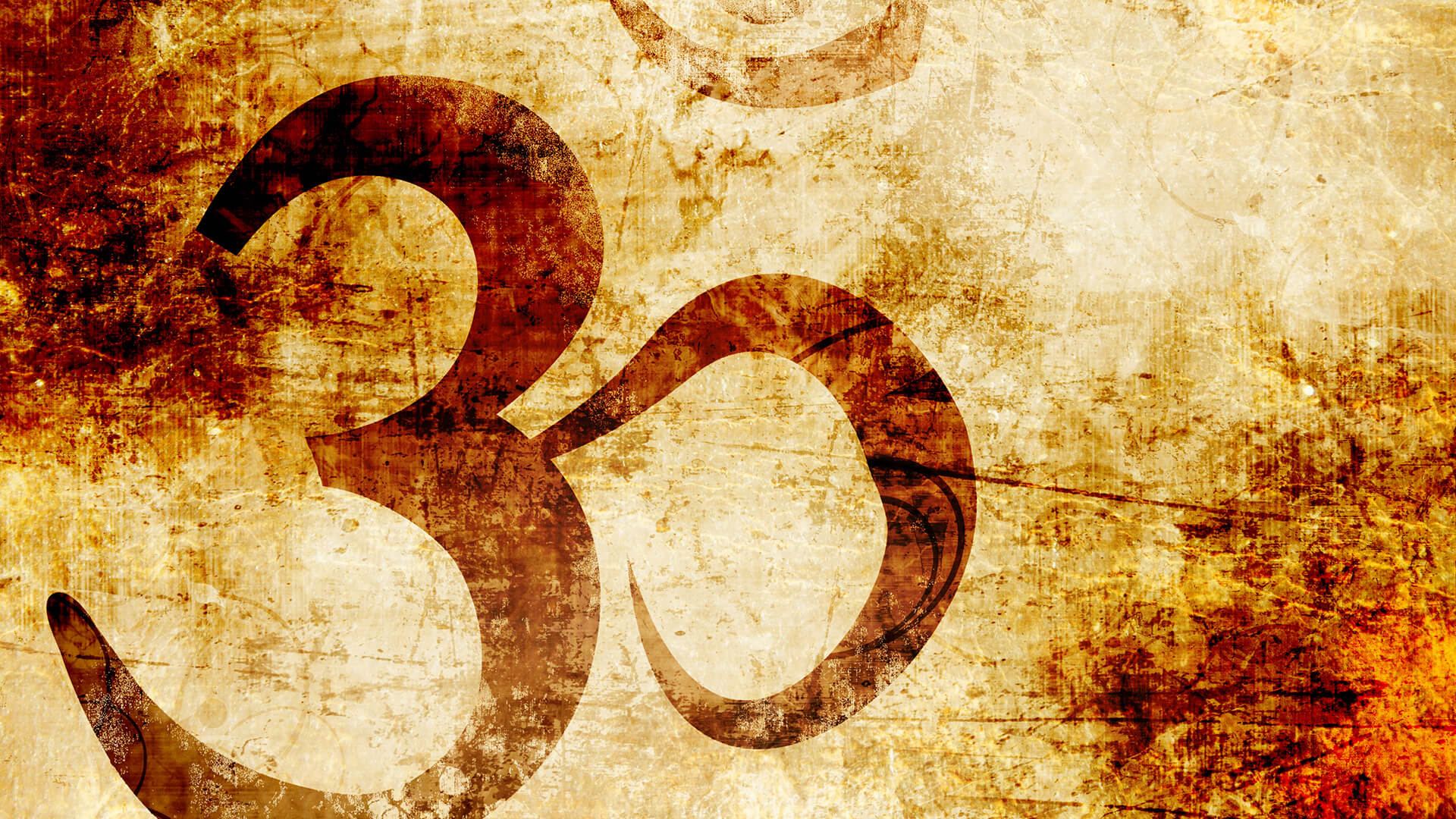
The spiritual significance of Aum (Om) runs deep, spanning across various spiritual and philosophical traditions. It encapsulates profound truths about existence, consciousness, and the interconnectedness of all things. As a symbol and a sound, Aum holds layers of meaning that resonate with seekers on their spiritual journeys. Here are some aspects of Aum’s spiritual significance:
- Unity of All Existence: Aum symbolizes the underlying unity of all existence. It represents the interconnectedness of the individual soul (Atman) with the universal consciousness (Brahman). By chanting or meditating on Aum, practitioners are reminded of their essential oneness with the cosmos and all living beings.
- Connection with the Divine: Aum serves as a bridge between the individual and the divine. It is considered the sacred sound that connects human consciousness with the transcendent realm. Chanting Aum is an invitation to commune with the divine presence within and around us, deepening the spiritual connection.
- Cosmic Vibration: Aum is often referred to as the “cosmic vibration” or “primordial sound.” It’s believed that Aum’s resonance echoes the vibration that emerged during the creation of the universe. Chanting Aum aligns practitioners with this universal vibration, harmonizing their energies with the cosmic rhythm.
- Symbol of Creation: The three sounds of Aum—A, U, M—represent the phases of creation, preservation, and transformation. These sounds reflect the dynamic processes that shape the universe. Aum’s symbolism mirrors the cyclical nature of life, death, and rebirth.

- Meditation and Mindfulness: Chanting Aum serves as a meditation practice that focuses the mind and awakens inner awareness. The rhythmic repetition of the sounds guides practitioners into a state of mindfulness, helping them transcend the distractions of the external world and journey inward.
- Symbol of Sound and Silence: Aum represents the continuum between sound and silence. The audible sounds (A, U, M) are followed by a moment of silence—the fourth aspect. This silence symbolizes the state of pure consciousness, beyond words and forms, inviting practitioners to experience the profound depths of existence.
- Inner Harmony and Balance: Chanting Aum is believed to balance the energies within the body and mind. The sounds correspond to different chakras and qualities, fostering equilibrium and harmony in one’s being. Aum’s resonance can help align the physical, mental, and spiritual aspects of the self.
- Spiritual Evolution: Aum symbolizes the journey of spiritual evolution—from creation to transformation and ultimately to self-realization. Chanting Aum is a pathway to higher states of consciousness, guiding practitioners toward the realization of their true nature and purpose.
- Transcendence of Duality: Aum’s tri-syllabic nature reflects the interplay of opposing forces, such as light and dark, life and death. Chanting Aum is a reminder that beyond dualities, there exists a unifying force that transcends polarities and unites all things.
- Personal Transformation: Chanting Aum is a means of inner transformation. It helps dissolve the ego, cultivate self-awareness, and purify the mind. As practitioners align with the vibrations of Aum, they journey toward greater spiritual awakening and self-realization.
Incorporating Aum into one’s spiritual practice invites a deeper exploration of existence, consciousness, and the nature of reality. The significance of Aum extends beyond words, inviting practitioners to experience its resonance and symbolism firsthand as they embark on a transformative journey of self-discovery and spiritual growth.
The origination of Aum mantra
The origins of the sacred syllable Aum (Om) are deeply rooted in ancient spiritual and philosophical traditions, particularly in Hinduism, where it holds a central place. While the exact historical origins of Aum are challenging to pinpoint, its significance and symbolism have evolved over millennia, intertwining with the spiritual fabric of various cultures and practices. Here’s a closer look at the origins and evolution of Aum:
- Ancient Vedic Texts: Aum finds its earliest references in the ancient Vedic texts of India, such as the Rigveda, dating back thousands of years. In these texts, Aum is mentioned as a powerful spiritual sound associated with divine creation. It’s considered the “pranava,” a sacred sound that represents the essence of reality and the cosmic principle.
- Vedic Chants and Mantras: In Vedic rituals, Aum was chanted as a prelude to sacred chants and mantras. It was seen as an auspicious invocation that connected the practitioner with the divine and set the tone for spiritual practice. Over time, Aum’s significance expanded to represent the ultimate reality beyond words and forms.
- Philosophical Foundations: Aum’s significance deepened as philosophical schools like Vedanta emerged. Philosophers explored the concept of “Brahman,” the ultimate reality or cosmic consciousness, and Aum came to symbolize this transcendent principle. Aum became synonymous with the sound that emerged at the creation of the universe, resonating with the cosmic vibration.
- Upanishadic Thought: The Upanishads, ancient Indian philosophical texts, delved into the nature of reality and the self. Aum was discussed extensively in these texts as a representation of the entire cycle of existence—from creation (A), preservation (U), to transformation (M), and the transcendent state beyond (the silence after M).
- Integration into Spiritual Practices: As Hinduism evolved, Aum became an integral part of spiritual practices. It was chanted during meditation, rituals, and yoga sessions to facilitate inner transformation, heighten awareness, and cultivate a connection with the divine.
- Inclusion in Other Traditions: The spiritual significance of Aum transcended Hinduism and influenced other spiritual traditions. In Buddhism, for instance, Aum is closely associated with the mantra “Om Mani Padme Hum,” reflecting its role as a universal sound of enlightenment. In Jainism and Sikhism, Aum’s resonance is also acknowledged in various contexts.
- Global Recognition: Aum’s significance has extended beyond India and South Asia, gaining recognition and reverence in cultures worldwide. The sound’s universal resonance has allowed it to bridge cultural and religious divides, serving as a unifying symbol of the spiritual journey.
- Modern Interpretations: In modern times, Aum has taken on new dimensions as spiritual seekers explore its relevance in contemporary contexts. It is often incorporated into mindfulness practices, yoga classes, and meditation sessions across the globe.
Conclusion: The origins of Aum are intertwined with the dawn of human spiritual inquiry. From its ancient roots in Vedic chants to its central role in philosophical contemplation, Aum has evolved to embody the essence of creation, consciousness, and unity. Its journey spans cultures, traditions, and centuries, embodying the timeless quest for understanding the mysteries of existence and connecting with the divine essence that permeates all of reality.