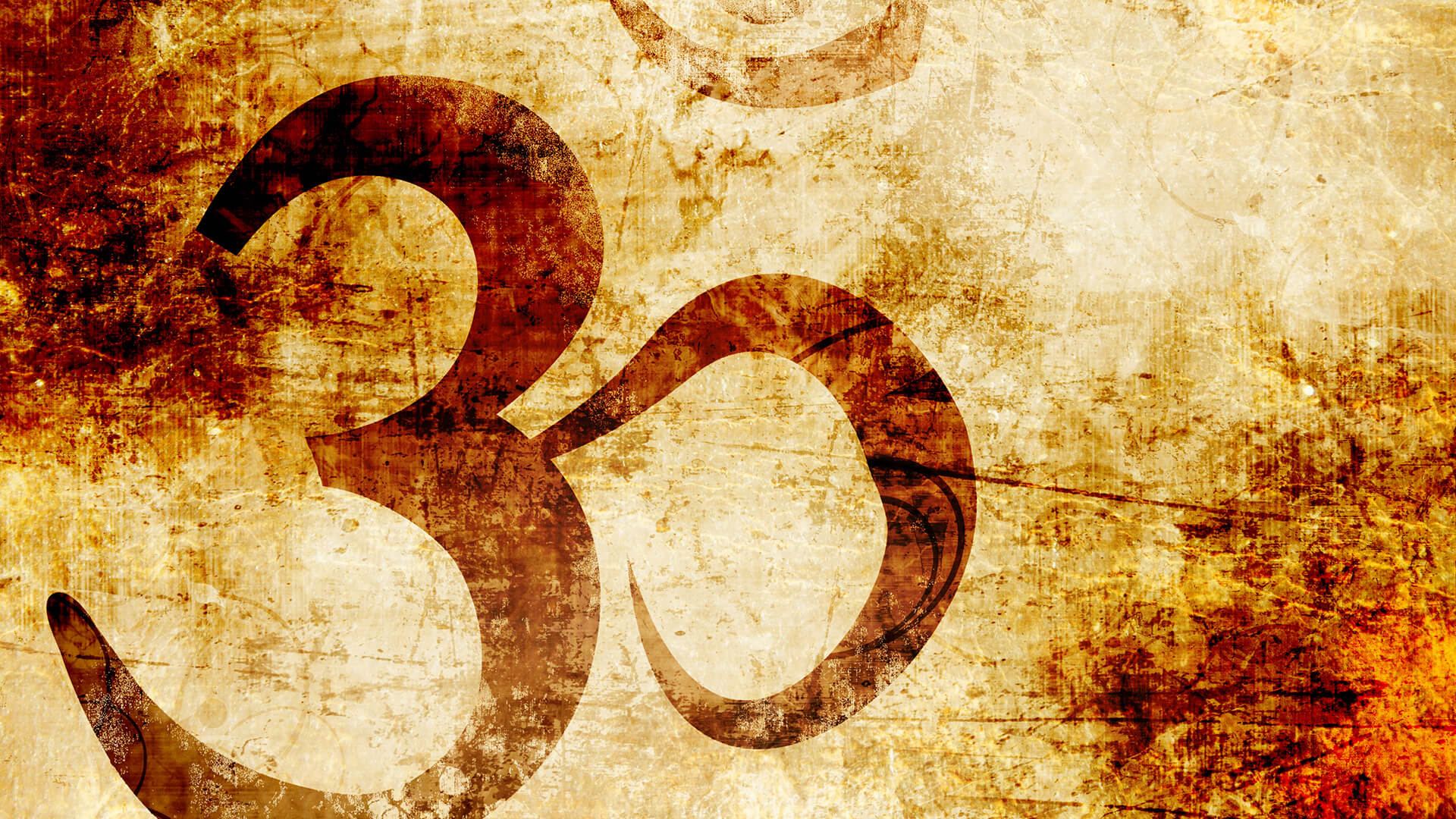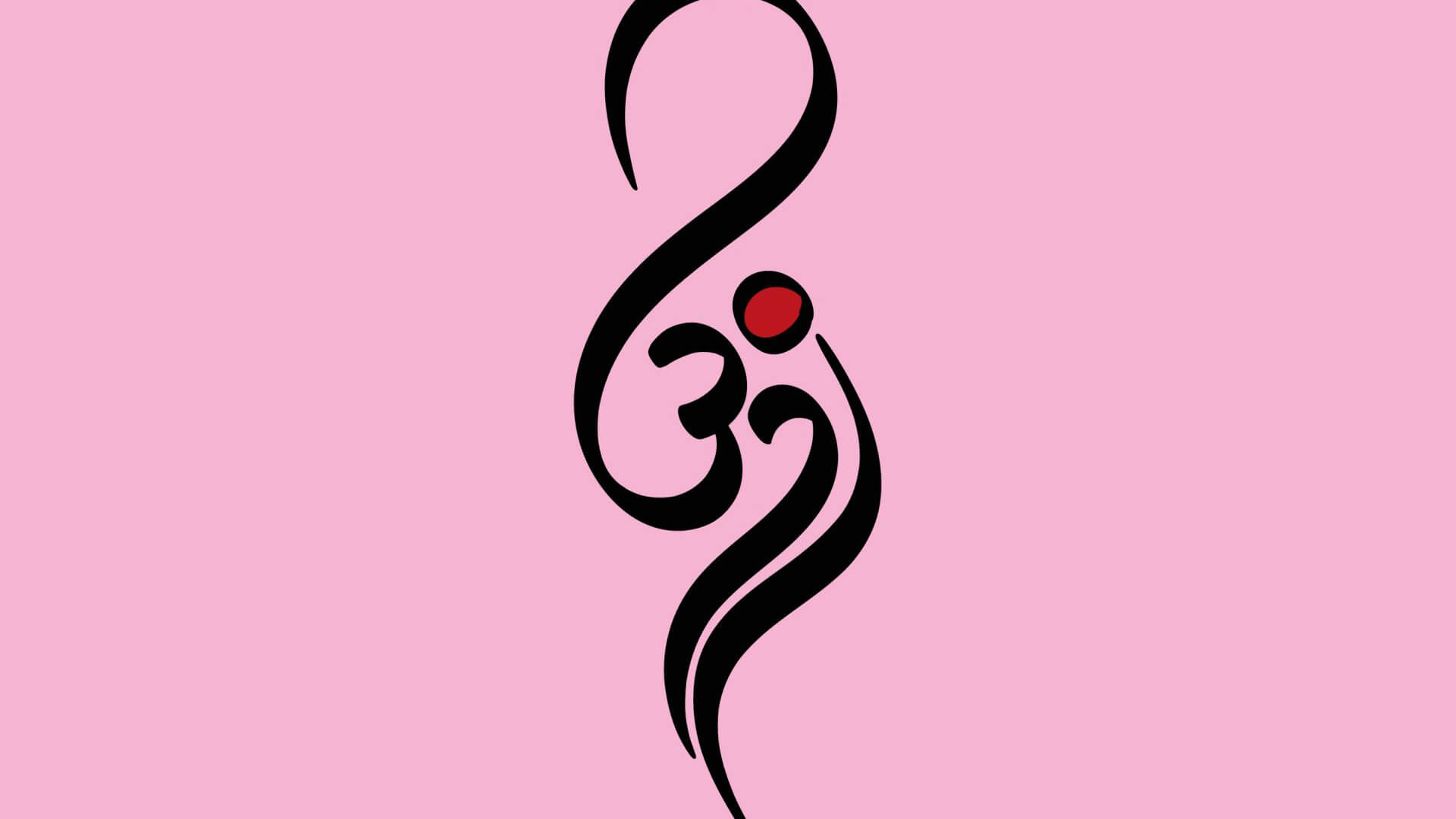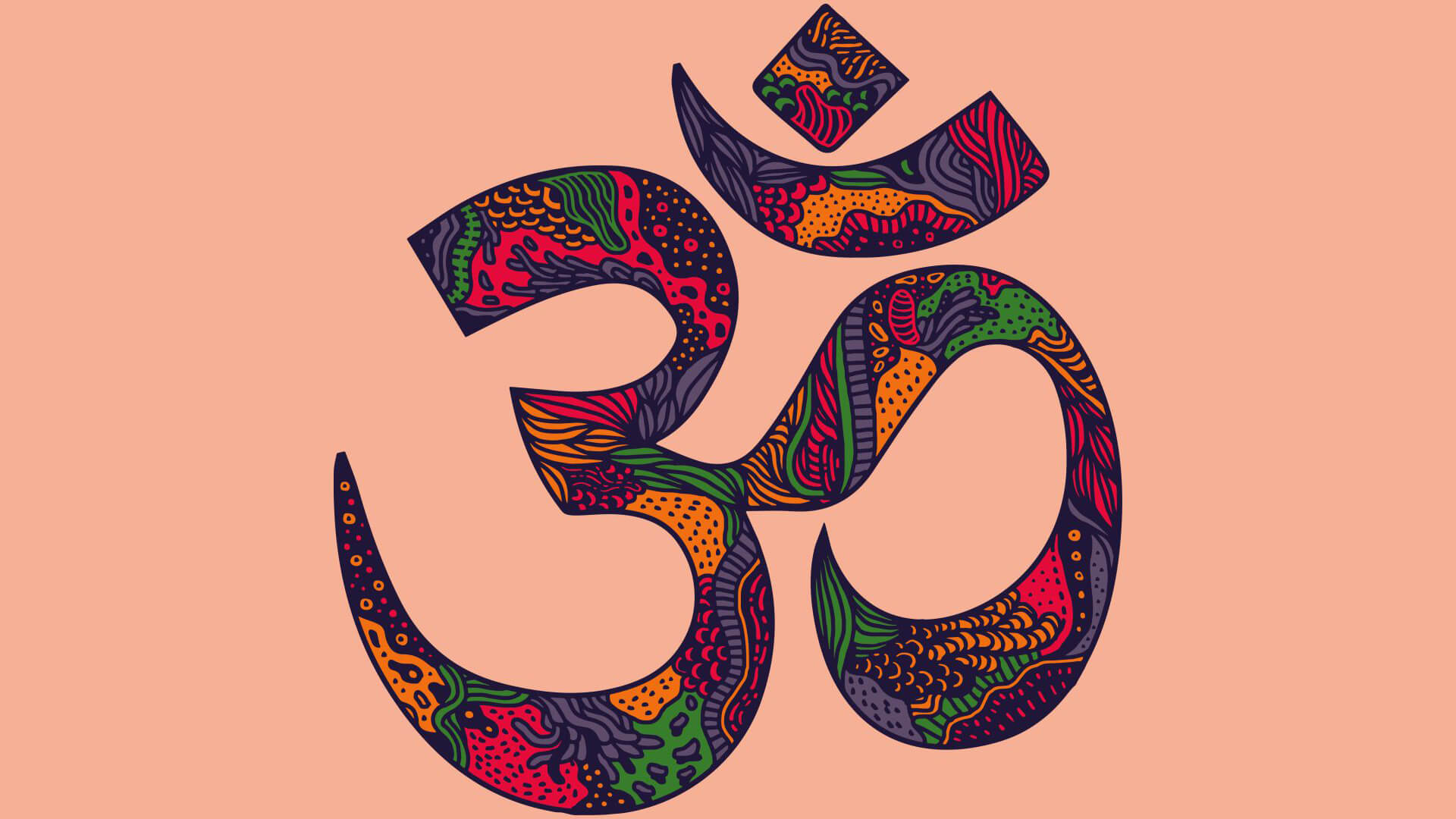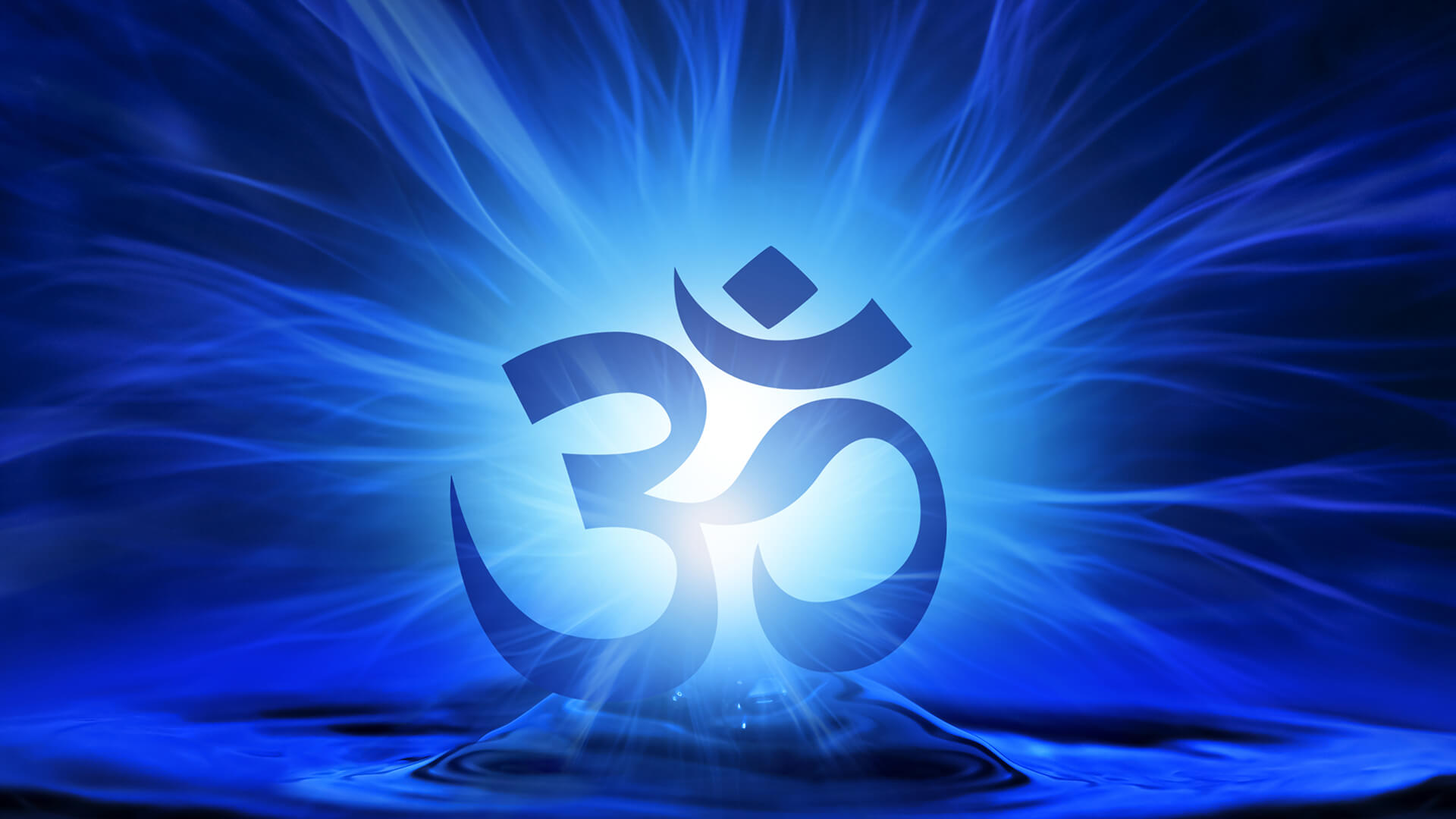
The significance of Aum (Om) in yoga is profound and multi-faceted. Aum holds a central place in yogic philosophy, practice, and meditation, serving as a unifying thread that weaves together the various aspects of yoga. From its role as a primordial sound to its representation of universal consciousness, Aum plays a pivotal role in guiding practitioners on their yogic journey. Here are some key aspects of Aum’s significance in yoga:
- Connection with Cosmic Vibration: In yoga, Aum is often referred to as the “primordial sound” or the “cosmic vibration.” It’s believed to be the sound that emerged during the creation of the universe, resonating through space and time. Chanting Aum aligns practitioners with this universal vibration, connecting them with the larger rhythms of existence.
- Symbol of Unity and Oneness: Aum symbolizes the unity of all things, reflecting the interconnectedness of individual souls (Atman) with the universal consciousness (Brahman). Just as the three syllables (A, U, M) blend into one sound, yoga teaches that the apparent separateness of beings dissolves into a harmonious whole.
- Integration of Mind, Body, Spirit: The practice of chanting Aum serves as a means of integrating the mind, body, and spirit. Each syllable—A, U, M—corresponds to different aspects of these realms. Chanting Aum harmonizes these dimensions, promoting holistic well-being and unity.
- Meditation and Mindfulness: Aum chanting is a meditative practice that cultivates mindfulness and inner awareness. As practitioners focus on the sound and vibrations of the mantra, they enter a state of focused attention, calming the mind’s fluctuations and journeying toward deeper states of consciousness.
- Guiding Principle of Yogic Philosophy: Aum encapsulates the core principles of yogic philosophy. The three sounds symbolize creation, preservation, and transformation—the fundamental forces that shape the universe. This triad reflects the ever-changing cycles of life, death, and rebirth, which yogic philosophy seeks to understand and transcend.
- Journey to Self-Realization: Yoga is ultimately a path to self-realization and union with the divine. Chanting Aum is believed to facilitate this journey by aligning practitioners with the cosmic rhythm and guiding them toward an awareness of their true nature. It serves as a bridge between the individual soul and the universal soul.
- Energy Centers (Chakras): In yoga, Aum’s syllables are associated with the body’s energy centers, or chakras. Chanting Aum is believed to stimulate and balance these chakras, allowing the energy to flow freely throughout the body. This promotes physical, emotional, and spiritual well-being.
- Representation of the Divine Trinity: In some yogic interpretations, Aum symbolizes the divine trinity of Brahma (creator), Vishnu (preserver), and Shiva (transformer). The three syllables correspond to these aspects of the cosmic forces, reflecting the cyclical nature of existence.
- Closing and Opening of Yoga Practice: Many yoga sessions begin and end with the chanting of Aum. It marks the transition from the external world to the inner realm of practice and back again. Chanting Aum sets an intention for the practice and creates a sacred space for self-discovery.
Incorporating Aum into yoga practice enhances its transformative potential, allowing practitioners to experience the deeper dimensions of yoga—self-awareness, unity, and a connection to the cosmic order. Whether through meditation, mantra repetition, or philosophical contemplation, Aum serves as a guiding light on the yogic path, inviting practitioners to explore the layers of their own consciousness and the interconnected web of existence.