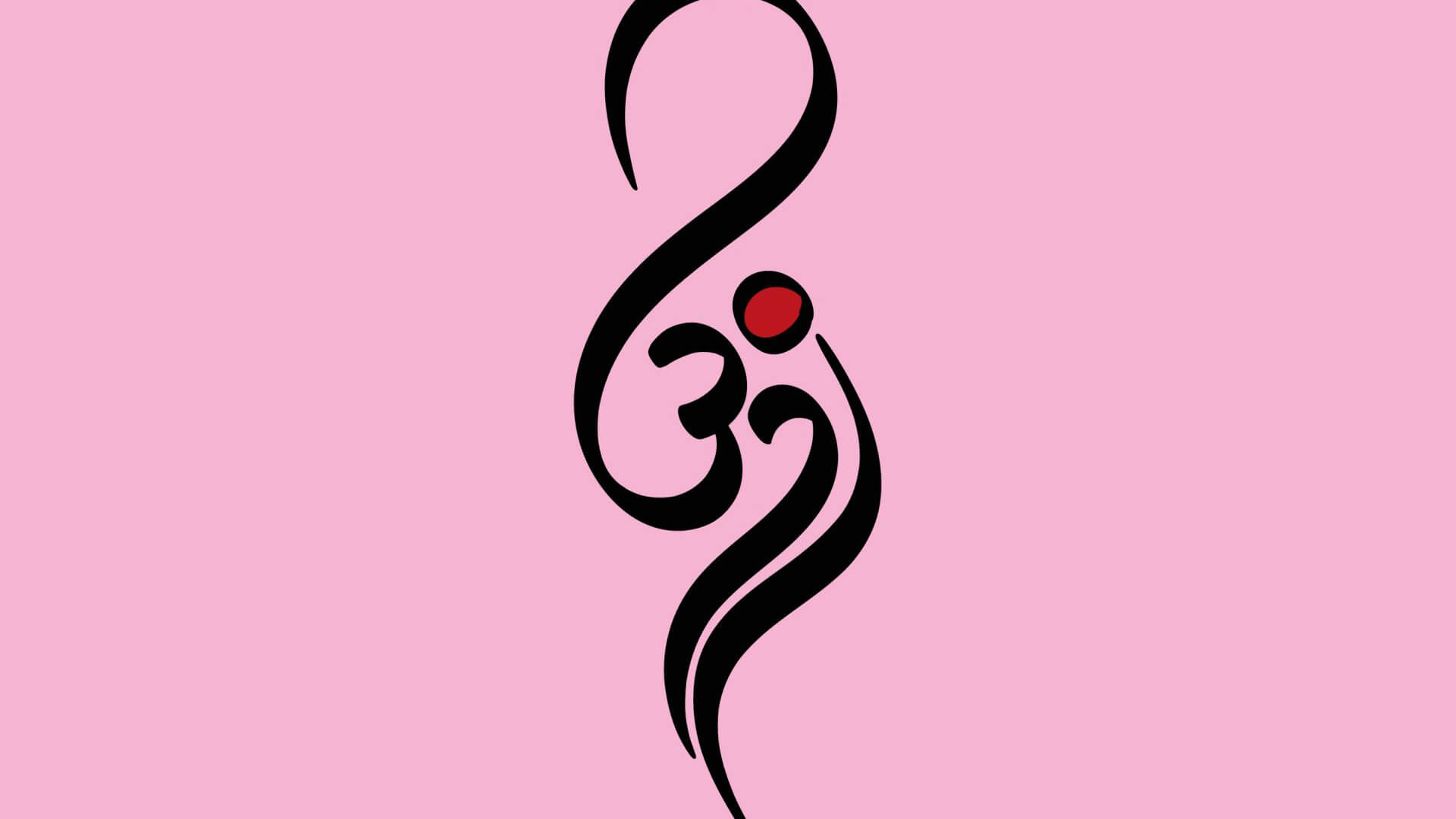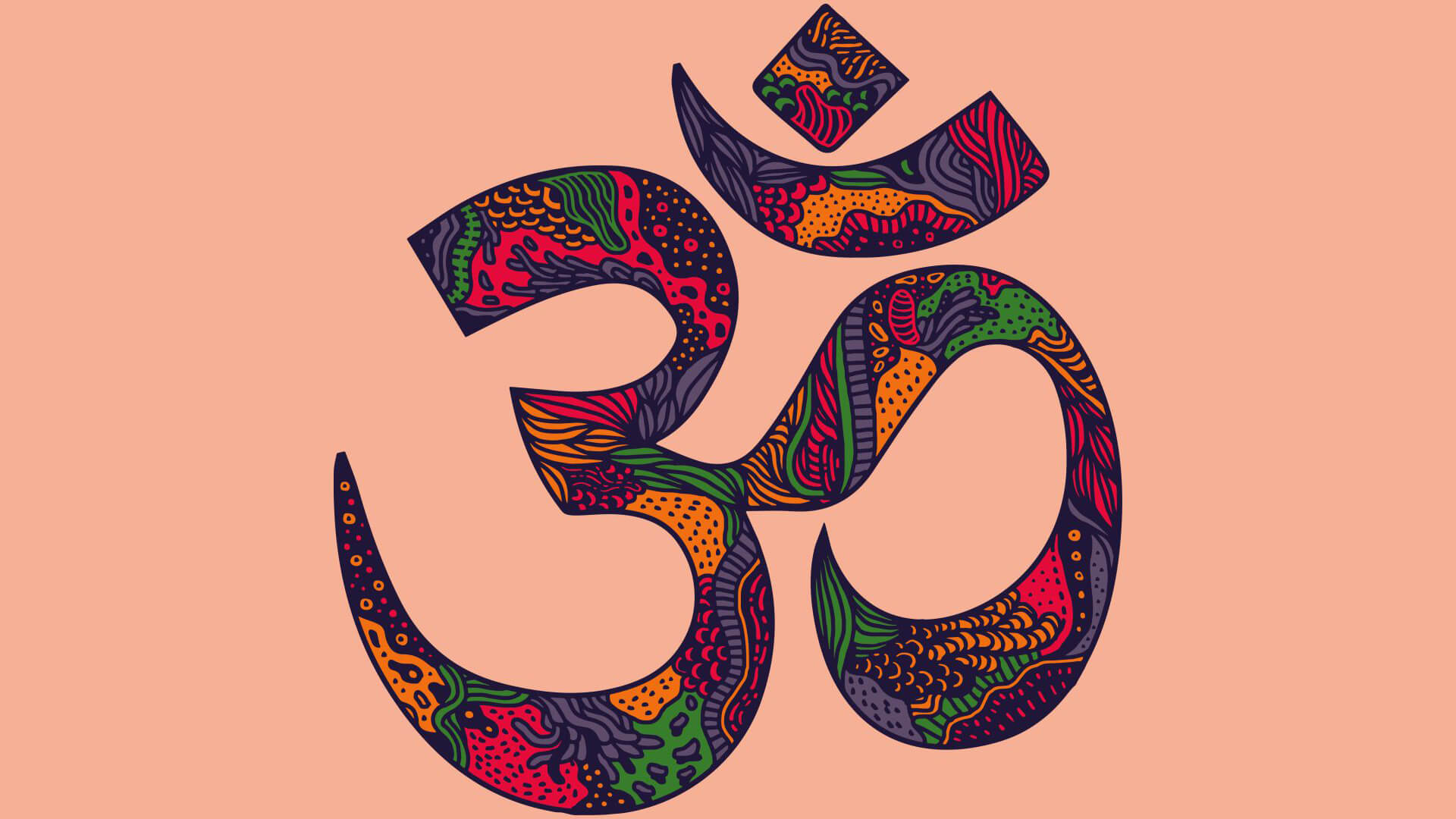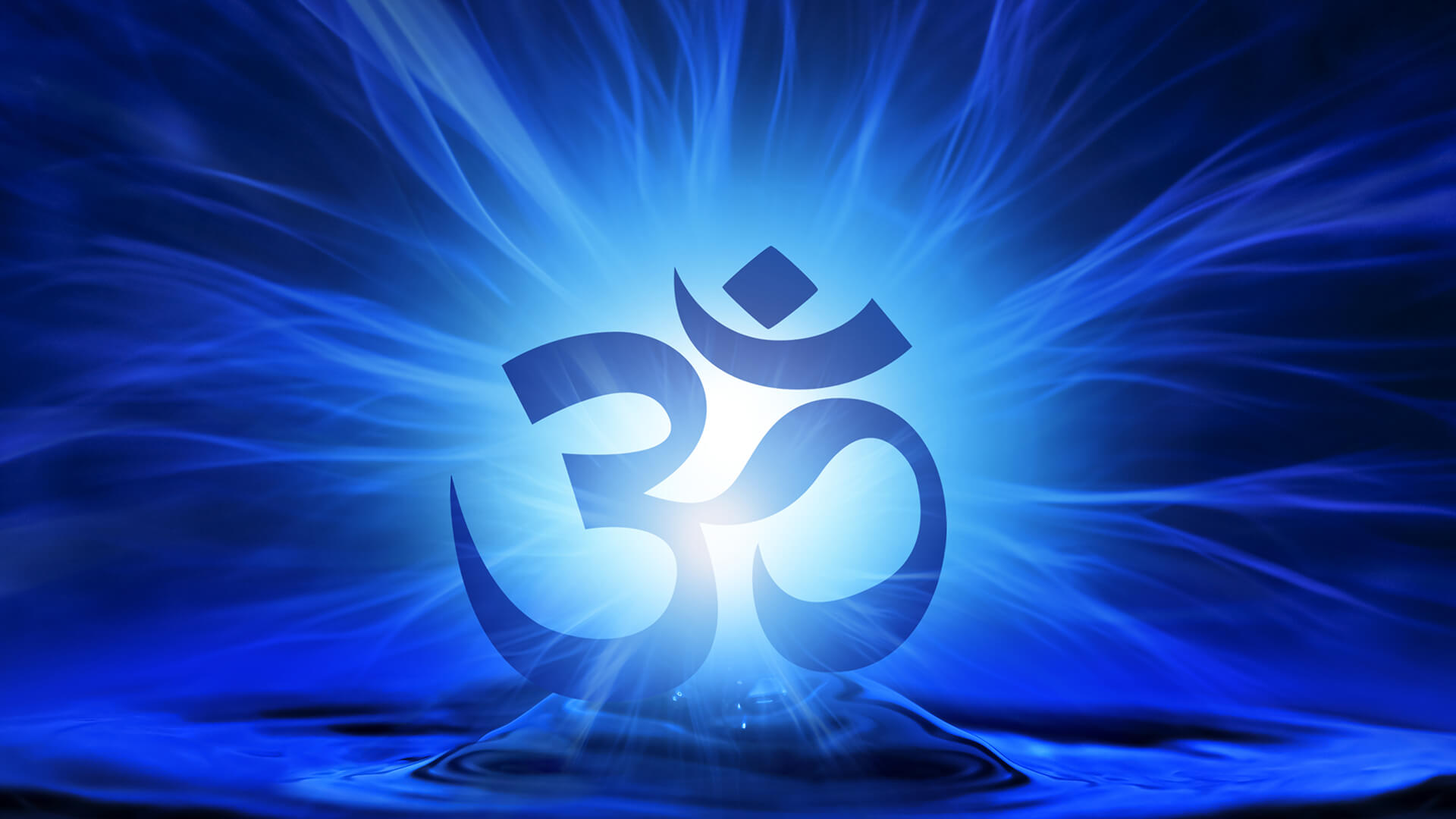
The Aum (Om) mantra, often referred to as the “primal sound” or “cosmic vibration,” holds a central place in various spiritual traditions, particularly in Hinduism and Buddhism. This sacred syllable, believed to encompass the essence of creation itself, resonates as a timeless reminder of the interconnectedness of all existence and the eternal presence of the divine.
The Essence of Aum:
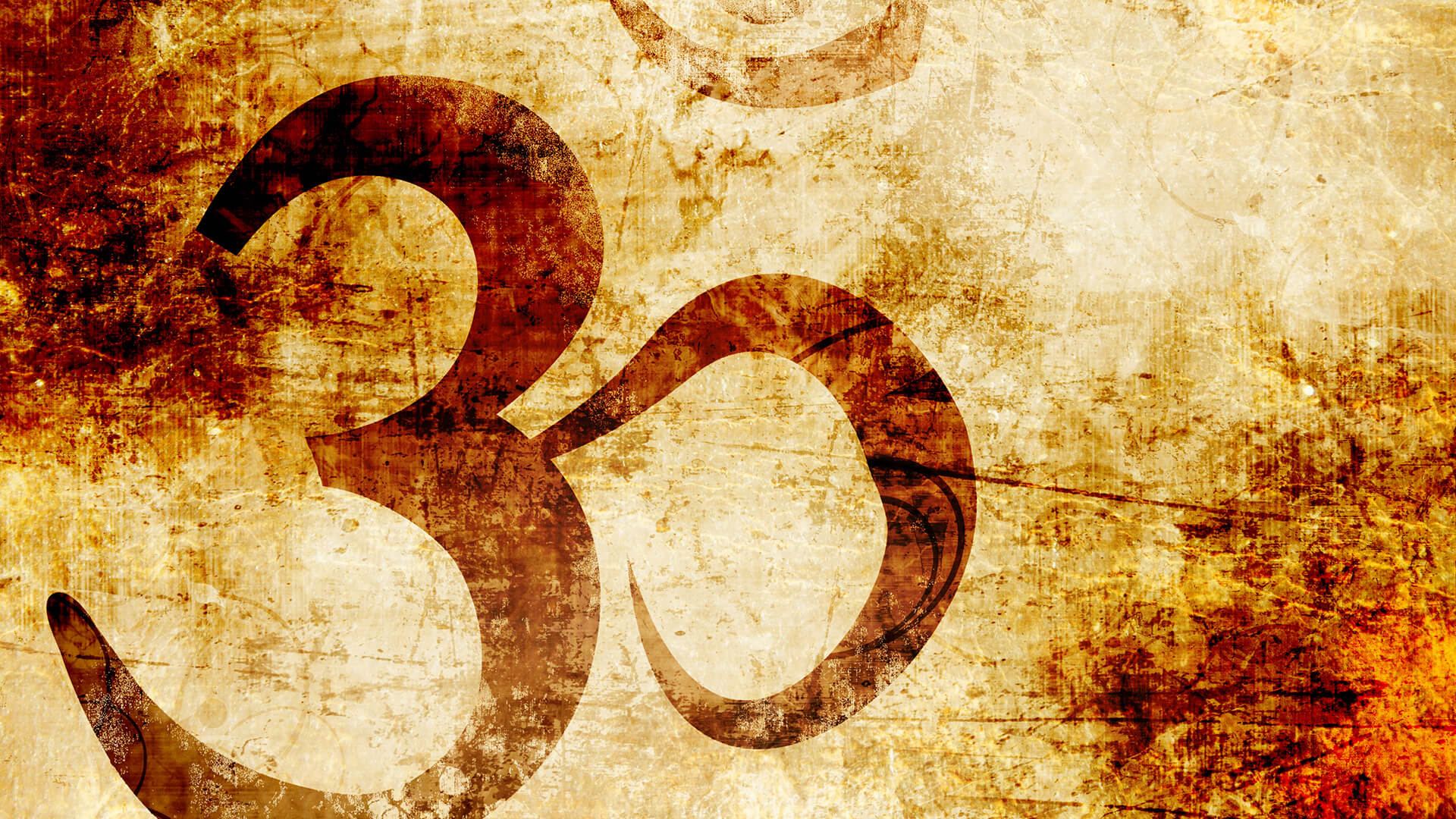
Aum (pronounced as “om”) is both a sound and a symbol. In Sanskrit, it is written as ॐ. The pronunciation of Aum encompasses three distinct sounds:
- A (अ): Represents the beginning or creation. It is often associated with the waking state of consciousness and the material realm.
- U (उ): Represents preservation or continuity. It is linked to the dream state of consciousness and the subtle, intuitive realm.
- M (म): Represents dissolution or transformation. It is connected to the deep sleep state of consciousness and the realm of pure consciousness beyond forms.
The Fourth Aspect: Silence (अन्तःस्था शब्द): Beyond the three audible sounds, Aum also encompasses a fourth aspect: the silence that follows after chanting or meditating on the mantra. This silence represents the transcendence of the manifested world and the state of pure awareness, beyond the limitations of words and forms.
Symbolism and Meaning:
The Aum symbol (ॐ) visually represents the three sounds (A, U, M) along with the bindu—a dot at the top, symbolizing the fourth state of pure consciousness. This sacred symbol encapsulates the entire cycle of creation, preservation, transformation, and transcendence within its curves and lines.
Spiritual Significance:
- Universal Vibration: Aum is considered the universal vibration that underlies all of creation. It is believed to be the sound that emerged during the creation of the universe, resonating in the cosmic space.
- Connection with the Divine: Chanting or meditating on Aum is a way to connect with the divine presence within and around you. It serves as a bridge between the individual soul and the cosmic soul.
- Balancing Energies: The three sounds of Aum correspond to the qualities of creation, preservation, and transformation. Chanting Aum is thought to balance these energies within the practitioner.
- Mindful Focus: Aum serves as an anchor for mindfulness and meditation. Focusing on the sound or symbol helps quiet the mind, leading to deeper states of concentration and awareness.
Practicing with Aum:
- Chanting: Sit comfortably, take a deep breath, and on the exhale, chant “Aum” slowly, allowing each sound to resonate fully. Feel the vibration in your body and focus on the experience.
- Meditation: Visualize the Aum symbol or silently repeat the mantra in your mind. As you chant or meditate, imagine each sound permeating your being and expanding into the cosmos.
- Mindful Contemplation: Reflect on the symbolic meanings of Aum. Contemplate the cycle of creation, preservation, transformation, and transcendence that it represents.
Cultural Diversity:
While prominently associated with Hinduism, Aum transcends cultural boundaries. It’s recognized and respected in various spiritual practices and traditions, including Buddhism and yoga.
Conclusion:
The Aum mantra encapsulates the profound mysteries of existence—the creation, preservation, transformation, and transcendence that weave the fabric of the universe. By resonating with its vibrations, practitioners embark on a journey of self-discovery, mindfulness, and connection with the eternal source of all life. Aum serves as a sacred reminder that beyond the diversity of forms, there exists a unifying vibration that threads through the tapestry of existence.