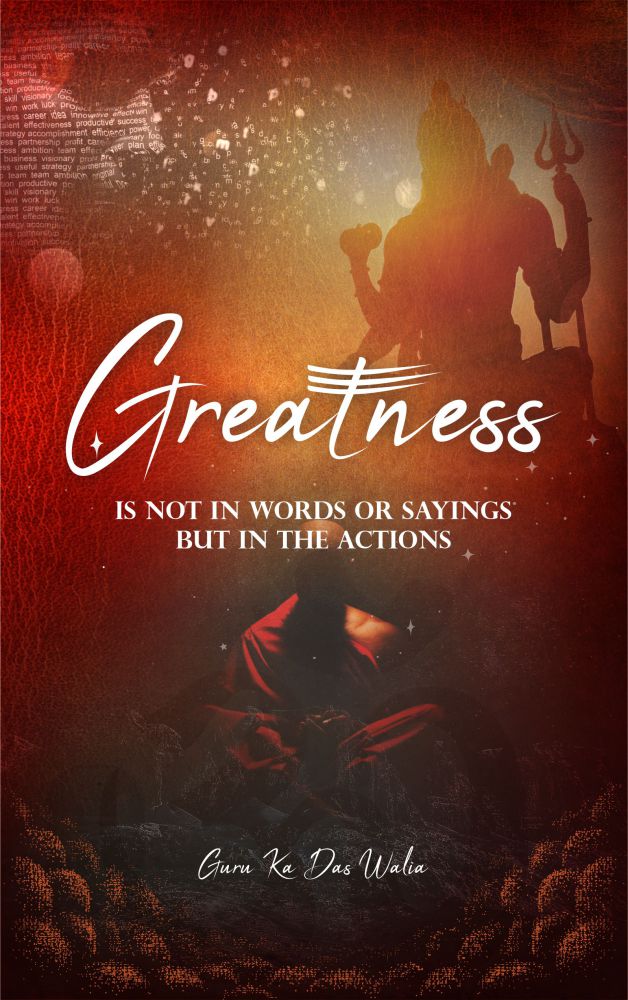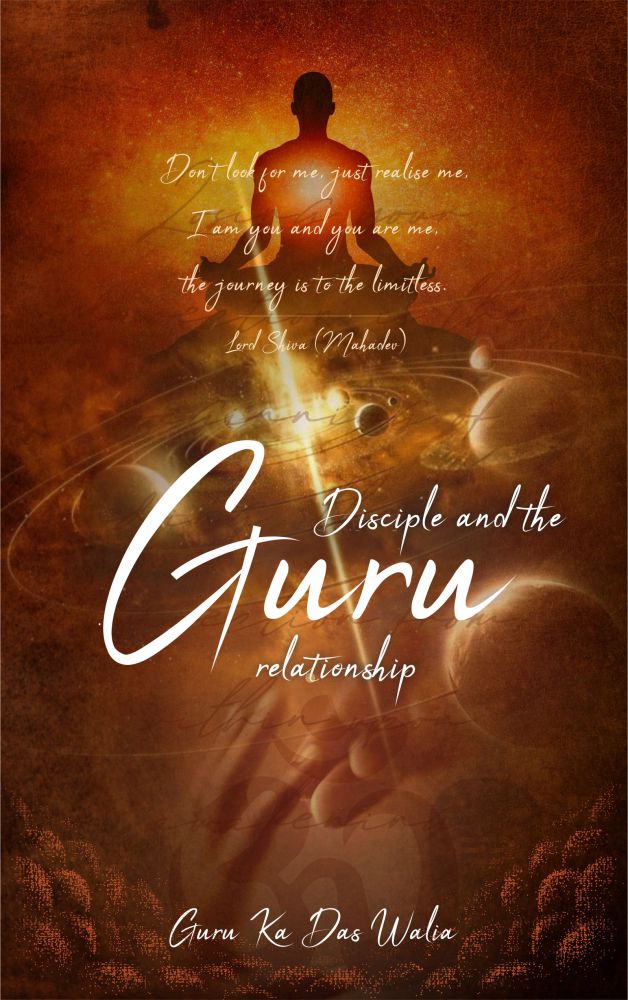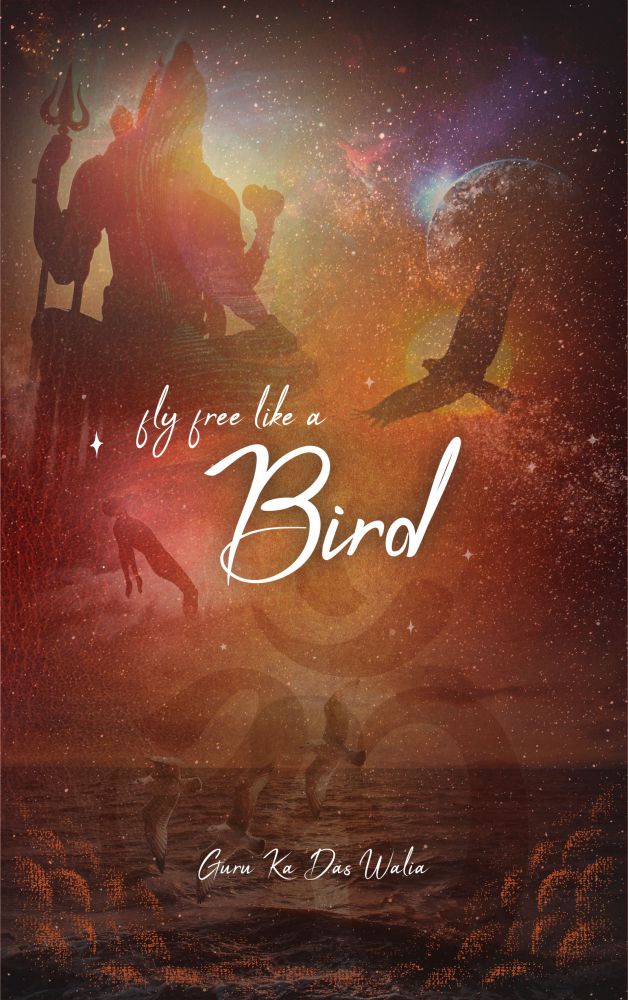
In the rich tapestry of Hindu mythology and spirituality, Lord Shiva emerges as one of the most enigmatic and revered deities. Often referred to as the “Destroyer” within the holy trinity of Brahma (the Creator), Vishnu (the Preserver), and Shiva (the Destroyer), Lord Shiva embodies a complex array of attributes, roles, and symbolic meanings. Beyond his role as a deity, Lord Shiva serves as an embodiment of cosmic principles, meditation, transformation, and the timeless dance of creation and dissolution.
The Symbolism of Shiva:
Depicted as a deity with a third eye on his forehead, a crescent moon adorning his tangled hair, a snake coiled around his neck, and a trident (trishul) in his hand, Shiva carries a multifaceted symbolism. His blue throat, a result of consuming the poison that emerged during the churning of the cosmic ocean, symbolizes his self-sacrifice for the preservation of the universe.
The Meditative Ascetic:
Lord Shiva is often depicted in a state of deep meditation, absorbed in profound contemplation. His role as an eternal meditator signifies the importance of introspection and inner reflection on the spiritual path. He embodies the ascetic who has detached himself from the material world and seeks the ultimate truth through the depths of his own consciousness.
The Cosmic Dancer:
Shiva’s cosmic dance, known as the “Tandava,” represents the perpetual cycle of creation and destruction. In his wild and exuberant dance, Shiva holds the power to both create and dissolve universes, illustrating the constant rhythm of birth, death, and rebirth that governs all existence. His dance is a reminder that life is transient and ever-changing.
The Lord of Transformation:
While Shiva is often referred to as the “Destroyer,” this role is not one of malevolent destruction but of transformative renewal. His role in dismantling the old and making way for the new is symbolic of the cyclical nature of existence. Just as winter yields to spring and night gives way to day, Shiva’s transformative energy underpins the ebb and flow of life.
The Family Man and Devotee:
Contrary to the image of a solitary ascetic, Lord Shiva also assumes the role of a loving husband to Goddess Parvati and a doting father to their children, Lord Ganesha and Lord Kartikeya. This aspect of Shiva highlights his multifaceted nature, embodying both the detached meditator and the engaged family man.
Devotion and Worship:
Lord Shiva is widely venerated across India and beyond, with countless temples dedicated to his worship. Devotees turn to him for guidance in times of turmoil, seeking his blessings for inner peace, protection, and spiritual growth. Maha Shivaratri, a significant Hindu festival, is celebrated in honor of Lord Shiva, with devotees engaging in prayer, fasting, and meditation.
Beyond Religion:
While Lord Shiva is a central figure in Hinduism, his significance transcends religious boundaries. The principles he embodies—meditation, transformation, detachment, and the cyclical nature of life—are universal themes that resonate with seekers of all paths.
Conclusion:
Lord Shiva stands as a multidimensional deity whose symbolism and attributes invite contemplation on the profound mysteries of existence. As the eternal meditator, cosmic dancer, and transformer of worlds, he reminds us of the dynamic interplay between creation and dissolution, the impermanence of life, and the transformative power of introspection. Beyond the stories and legends, the essence of Lord Shiva resonates with the timeless quest for self-discovery, inner transformation, and the realization of the divine within.