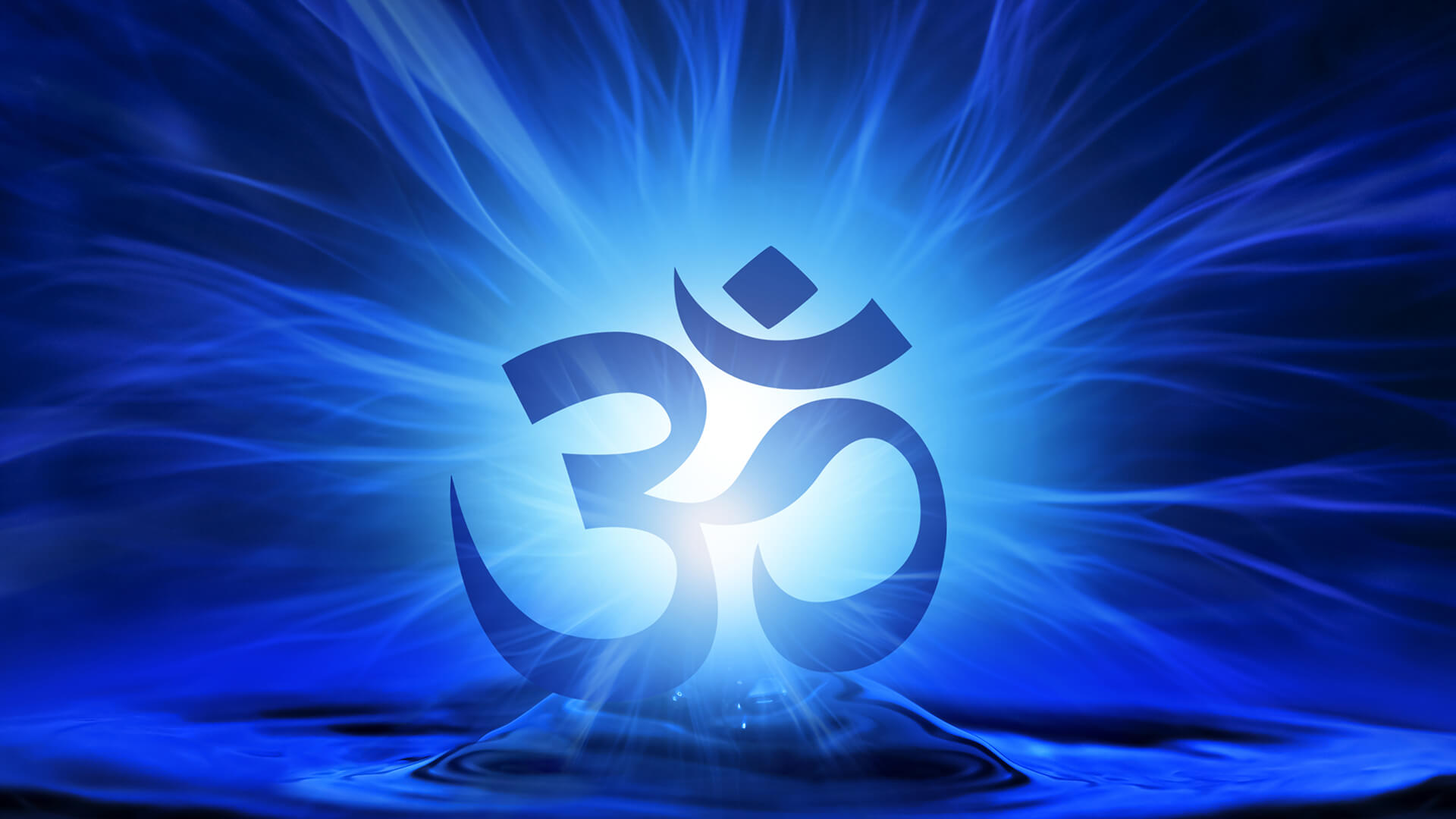
In the vast expanse of human spirituality, few symbols hold as much universal significance as the concept of divine light. This ethereal, illuminating force transcends cultural boundaries, weaving a thread of understanding across diverse traditions and belief systems. Divine light represents the essence of the sacred, a source of guidance, transformation, and enlightenment that has guided seekers throughout the ages on their quests for deeper meaning and connection.
The Symbolism of Light: Light has been a symbol of enlightenment and truth since time immemorial. From ancient civilizations to modern faiths, light often represents the victory of good over evil, knowledge over ignorance, and the unveiling of hidden truths. As a metaphor, light resonates on both a tangible and a metaphysical level, inviting humanity to perceive reality in a way that transcends the confines of the material world.
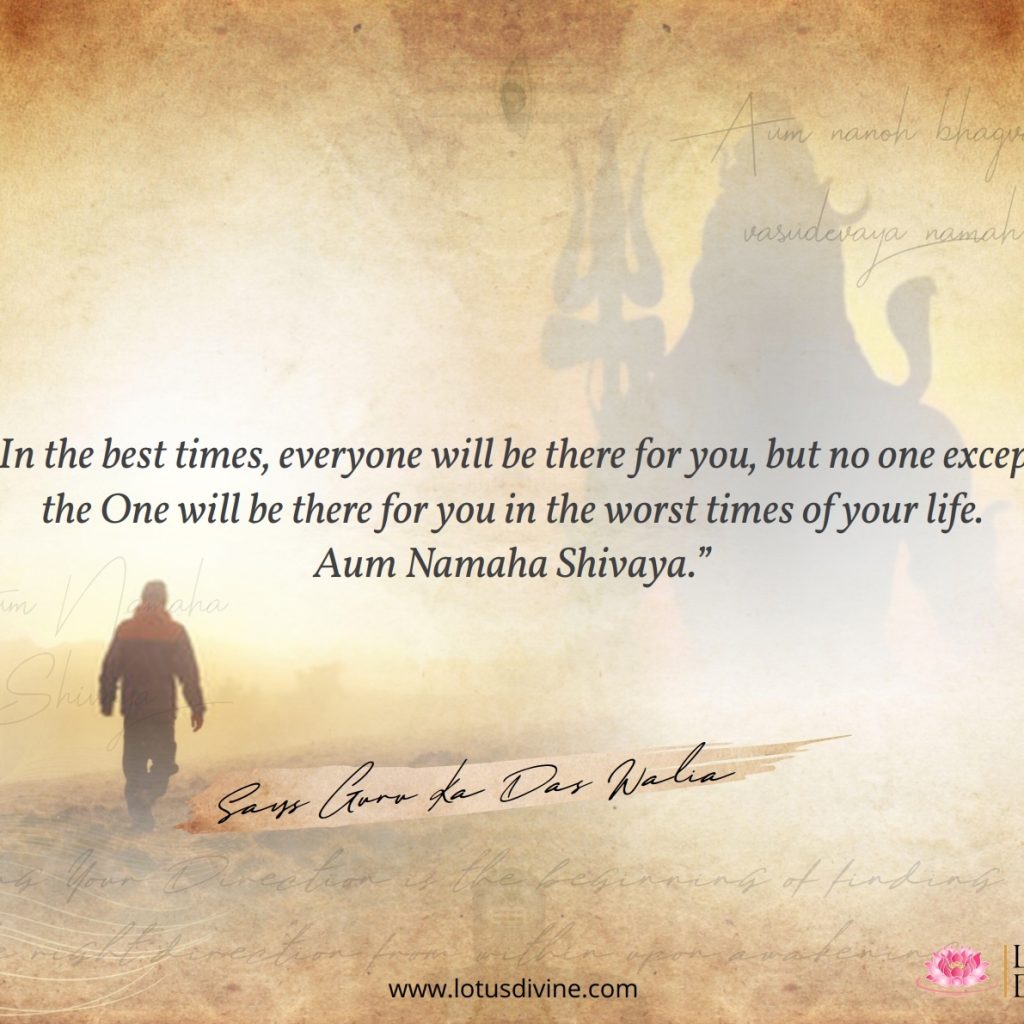
Divine Light as an Expression of the Divine: The concept of divine light often draws from the idea that the divine, whatever one’s perception of it may be, radiates an ineffable light that encompasses all creation. This light serves as a bridge between the finite and the infinite, allowing individuals to glimpse the transcendent and connect with the divine essence. In this way, divine light becomes a vehicle for experiencing the sacred firsthand, leading to profound spiritual revelations.
Enlightenment and Spiritual Awakening: Divine light is often associated with enlightenment – a state of heightened awareness and understanding that transcends the limits of ordinary perception. Seekers on spiritual paths aim to attain this enlightenment, using practices such as meditation, prayer, and self-reflection to open themselves to the divine light’s transformative power. This inner illumination not only brings clarity to the mind but also awakens the soul to its true nature and purpose.
The Inner Light: While divine light is often portrayed as an external force, it also represents the inner luminosity that resides within every individual. Many traditions teach that each person carries a divine spark, a source of light that reflects their connection to the divine. This inner light serves as a reminder of one’s innate goodness, wisdom, and potential, inviting individuals to embrace their authentic selves and shine brightly in the world.
Healing and Transformation: Divine light is not only a source of knowledge and spiritual growth but also a catalyst for healing and transformation. As individuals open themselves to this light, it can illuminate the hidden recesses of the mind and heart, revealing unresolved emotions, fears, and limiting beliefs. Through this process of illumination, healing can occur, leading to a deeper sense of wholeness and liberation from emotional burdens.
Cultural and Religious Variations: The concept of divine light is present in various cultures and spiritual traditions. In Christianity, Jesus is often referred to as the “Light of the World,” symbolizing his role as a beacon of divine truth and salvation. In Hinduism, light is revered as a representation of spiritual knowledge and enlightenment. Islamic mysticism (Sufism) speaks of divine light as a transformative force that guides the soul toward union with the divine.
Conclusion: The notion of divine light is a radiant and universal symbol that transcends the confines of individual beliefs. It signifies the eternal and illuminating aspect of the sacred, inviting seekers to explore the depths of their own spirituality. As humanity continues its timeless quest for understanding and connection, the concept of divine light remains an unwavering guide, beckoning all to open their hearts and minds to the luminous journey of the soul.