Throughout the annals of human history, one enduring pursuit has captivated the hearts and minds of seekers, mystics, and philosophers alike: the quest for divine knowledge of God. This profound journey delves into the nature of the divine, seeking to comprehend the ineffable, and unlock the secrets that lie beyond the veil of the material world. As diverse as humanity’s beliefs are, the pursuit of understanding the divine essence remains a unifying thread that spans cultures, faiths, and epochs.
The Divine Enigma: The concept of God transcends human comprehension. Whether viewed as an omnipotent creator, a cosmic consciousness, or an embodiment of love, God’s essence is often described as beyond human capacity to fully grasp. Yet, the quest for divine knowledge persists, driven by a deep-seated yearning to connect with the source of existence, to unravel the cosmic mysteries, and to uncover the purpose of our presence in the universe.
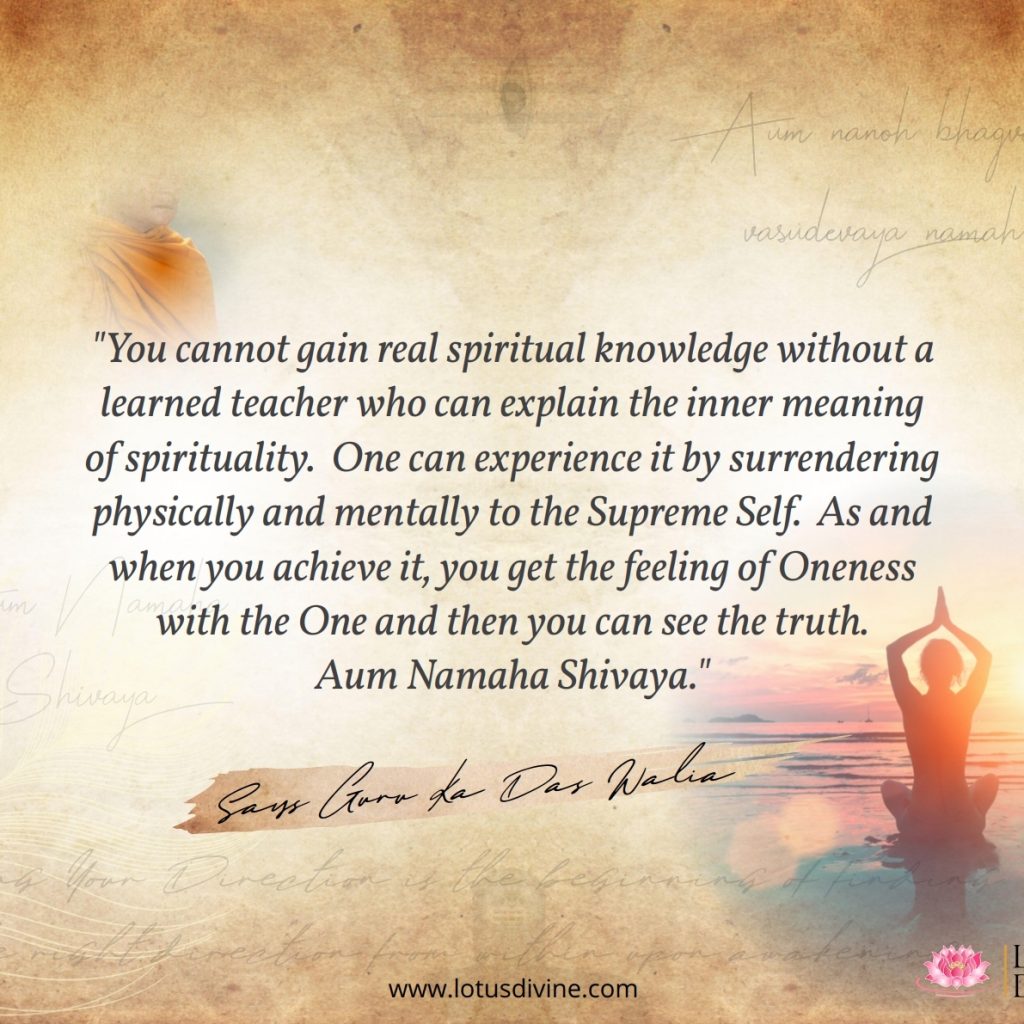
Approaches to Divine Knowledge: Across religious and spiritual traditions, there exist diverse paths to attaining divine knowledge of God. In the world’s religions, scriptures, teachings, and revelations provide a roadmap to understanding God’s attributes, will, and plan for humanity. From Christianity’s portrayal of God’s love and sacrifice in the person of Jesus Christ to Islam’s devotion to the oneness of Allah, these faiths offer distinct lenses through which divine knowledge is perceived.
In mystical traditions, such as Sufism, Kabbalah, and various Eastern philosophies, seekers embark on inner journeys to attain direct experiences of the divine. Through meditation, contemplation, and inner exploration, mystics strive to peel away the layers of ego and illusion, connecting with a higher reality that transcends the limitations of language and concept.
The Quest for Unity: One of the driving forces behind the pursuit of divine knowledge is the yearning for unity – a desire to transcend the perceived separation between the self and the divine. This unity is often expressed as a spiritual union, where the seeker becomes intimately connected with God, experiencing a profound sense of oneness that dissolves the boundaries of ego and identity.
In this quest, divine knowledge is not merely an intellectual exercise; it is a transformative journey that involves personal growth, inner awakening, and an evolving relationship with the divine. As individuals draw closer to understanding God’s nature, they often find themselves experiencing a deeper understanding of their own purpose and place within the cosmos.
Challenges and Paradoxes: The quest for divine knowledge of God is not without its challenges. The limitations of human language and conceptual frameworks can create barriers to expressing the inexpressible. Paradoxes emerge as the human mind grapples with the nature of an infinite, transcendent being. Yet, it is often through wrestling with these challenges that seekers find the path to greater understanding, humility, and reverence.
Cultivating Divine Knowledge: Cultivating divine knowledge of God requires an open heart, a spirit of humility, and a willingness to explore the unknown. Seekers often engage in practices such as prayer, meditation, reflection, and study to deepen their connection to the divine. They also draw inspiration from the lives and teachings of spiritual luminaries who have illuminated the path before them.
A Lifelong Journey: The quest for divine knowledge of God is a lifelong journey, a pursuit that evolves and matures as individuals continue to seek understanding. It is a journey that invites seekers to move beyond dogma, to embrace the insights of various traditions, and to engage in a continuous process of self-discovery and inner transformation.
In Conclusion: The pursuit of divine knowledge of God is a noble endeavor that transcends the boundaries of human limitation. It is a journey that unites seekers across cultures and beliefs, reminding us of our shared humanity and our innate yearning for spiritual connection. As we delve into the mysteries of the divine, may we approach this quest with reverence, curiosity, and an open heart, guided by the belief that in seeking to understand the divine, we ultimately come to understand ourselves and our place in the grand tapestry of creation.